
"colonial coffee"
5000 article(s) found

The sixth History of European Culture on the Coffee Table Colonial Coffee Garden, a microcosm of cosmopolitanism
After 350 years of drinking a cup of coffee-colonial coffee gardens, a microcosm of cosmopolitanism, the coffee tasted by Europeans after the 17th century is no longer Arabian coffee beans from the East. When cafes quickly became popular in Europe, adventurous businessmen targeted the coffee trade, figuring out the huge profits behind growing and buying and selling coffee. The overseas of the old colonial empire of the Netherlands

Colonial Coffee Garden, a microcosm of cosmopolitanism
After the 17th century, the coffee tasted by Europeans is no longer Arabian coffee beans from the east. When cafes quickly became popular in Europe, adventurous businessmen targeted the coffee trade, figuring out the huge profits behind growing and buying and selling coffee. The overseas pioneers of the old colonial empire of the Netherlands, the East India Company and the West India Company, were the first to act, risking being sentenced.

World boutique Coffee Culture History Colonial Coffee Garden
After the 17th century, the coffee tasted by Europeans is no longer Arabian coffee beans from the east. When cafes quickly became popular in Europe, adventurous businessmen targeted the coffee trade, figuring out the huge profits behind growing and buying and selling coffee. The overseas pioneers of the old colonial empire of the Netherlands, the East India Company and the West India Company, were the first to act, risking being sentenced.

A microcosm of cosmopolitanism in colonial coffee gardens
After the 17th century, the coffee tasted by Europeans is no longer Arabian coffee beans from the east. When cafes quickly became popular in Europe, adventurous businessmen targeted the coffee trade, figuring out the huge profits behind growing and buying and selling coffee. The overseas pioneers of the old colonial empire of the Netherlands, the East India Company and the West India Company, were the first to act, risking being sentenced.
A microcosm of coffee culture colonization coffee garden cosmopolitanism
After 350 years of drinking a cup of coffee-colonial coffee gardens, a microcosm of cosmopolitanism, the coffee tasted by Europeans after the 17th century is no longer Arabian coffee beans from the East. When cafes quickly became popular in Europe, adventurous businessmen targeted the coffee trade, figuring out the huge profits behind growing and buying and selling coffee. The overseas of the old colonial empire of the Netherlands
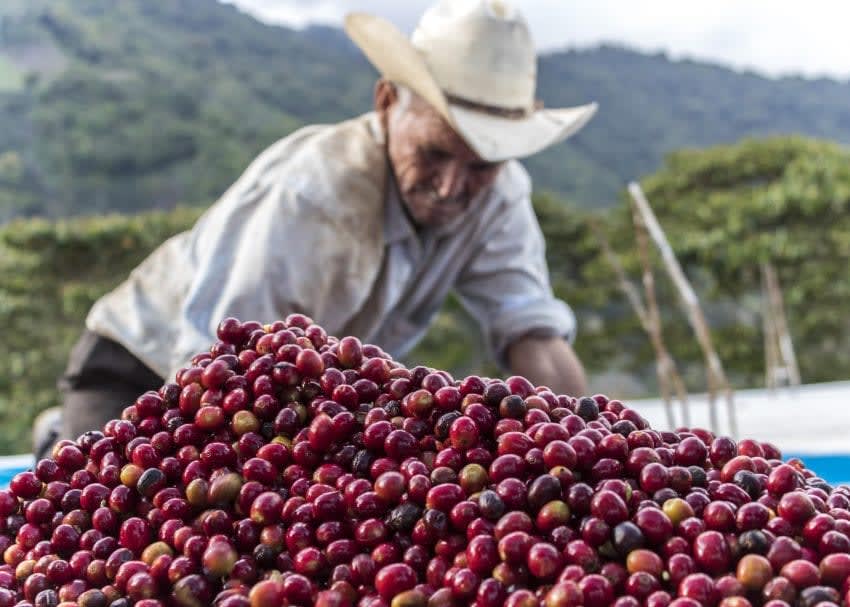
What you don't know about coffee: the black history of slaves behind the coffee industry
Professional coffee knowledge exchange more coffee bean information please follow the coffee workshop (Wechat official account cafe_style) when you get a bag of roasted Brazilian coffee, or order a cup of Colombian handcups, you may be able to get complete information about the producing areas, but have you ever thought about the origin of these coffees in the first place? Who were the workers who first developed these farms and built them into gardens? Let's

New Caledonia (New Caledonia), where coffee is grown, is a former French colony
The glory that is gone. New Caledonia (NewCaledonia) is a former French colony, with only 10 per cent of the land available for farming, with coffee and corn as its main crops. Missionaries introduced coffee from LaRunion in 1860, but by 1987 only 40 tons were produced each year, of which 37 tons were exported, mostly to France. The variety of coffee beans is an extraordinary Robbins.

Introduction to Fine Coffee with rich flavor and taste in Lazmus Manor, Colombia
In 1501, the Spaniard R.de Bastidas first reached the northern coast of Colombia and founded the city of Santa Marta in 1525. In 1533, P.de Eredia established Cartagena. In 1535, G. Simone de Xada led the Spanish colonial army into the interior of Colombia, conquered the Chibucha, established the city of Bogota, and Colombia became a Spanish colony. At the beginning

Introduction of high-quality coffee beans in Colombian coffee producing area with strong taste
In 1501, the Spaniard R.de Bastidas first reached the northern coast of Colombia and founded the city of Santa Marta in 1525. In 1533, P.de Eredia established Cartagena. In 1535, G. Simone de Xada led the Spanish colonial army into the interior of Colombia, conquered the Chibucha, established the city of Bogota, and Colombia became a Spanish colony. At the beginning

Coffee Industry's understanding of Coffee and the Black History of Coffee Industry
Professional coffee knowledge exchange more coffee bean information Please follow Coffee Workshop (Wechat official account cafe_style) Coffee and colonialist coffee originated in tropical Africa, but now Brazil has become the world's largest coffee producer. Vietnam and Colombia are the second and third largest producers. Coffee was in the Middle East, Asia and Europe before it was brought to America by European colonists.

Taste characteristics of manors in Colombian coffee flavor producing areas introduction of fine coffee beans
In 1501, the Spaniard R.de Bastidas first reached the northern coast of Colombia and founded the city of Santa Marta in 1525. In 1533, P.de Eredia established Cartagena. In 1535, G. Simone de Xada led the Spanish colonial army into the interior of Colombia, conquered the Chibucha, established the city of Bogota, and Colombia became a Spanish colony. At the beginning

Puerto Rican Coffee Flavor with complete Flavor; introduction to the characteristics of boutique coffee beans in manor area
On September 23, 1869, the people of Puerto Rico were in R. Under the leadership of Emmetrio Betons, an uprising was held in the town of Larez (known as the voice of Larez in history), which declared the establishment of a republic on the 24th and was later suppressed by the Spanish colonial army. After a long struggle, Puerto Rico was finally granted local self-government by Spain. However, from then on, after the Spanish-American War, the island became an American colony, when

Which country was Sri Lanka's colony? which country is Ceylon black tea? which brand is good?
There are four major black tea producing countries in the world, namely, China, Darjeeling, Sri Lanka and Kenya. Today, let's talk about Sri Lanka. Sri Lanka is located in the Indian Ocean in the southeast of the Indian subcontinent and covers an area of 6.56 square kilometers. Sri Lanka was once a British colony. Before 1972, the country of Sri Lanka was called Ceylon.
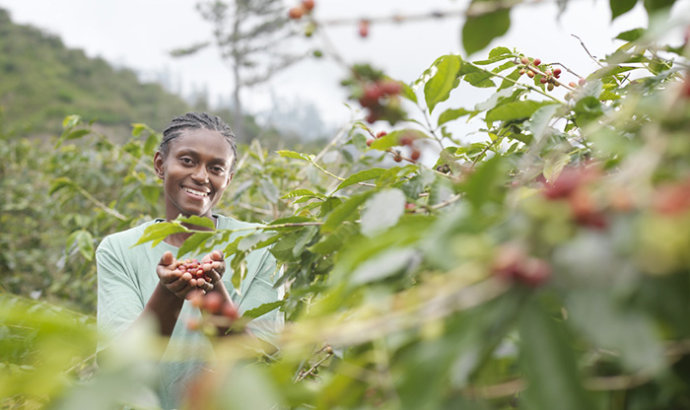
The abnormal prosperity of Brazil's "coffee kingdom"
From the early 16th century to the 1820s, Portugal colonized Brazil for more than 300 years. Portugal colonial rule had a profound impact on Brazil's economy, politics, society and culture. Single product system and large estate system became fetters restricting the development of modern Brazil's economy. Due to the incomplete nature of the independence movement, Brazil remained a colony for 100 years after independence.
When did the cultivation of Dutch coffee start? why are Dutch coffee beans rarely seen now?
For the exchange of professional baristas, please follow the coffee workshop (Wechat official account cafe_style). This time we will introduce the era when large-scale coffee cultivation began in European countries. How did the plantation of this colony begin? Coffee beans handled by European businessmen as coffee began to spread in many parts of Europe, businessmen resold coffee beans bought in Egypt to Europe.

Indonesian coffee was grown in 1696 during the Dutch colonial period, and Arabica was planted in the early days.
Coffee workshop (Wechat official account cafe_style) Coffee was first grown in Indonesia during the Dutch colonial period in 1696, when Dutch colonists introduced Arabica coffee beans to Jakarta, the present-day capital of Indonesia, on the island of Java. With the continuous growth of coffee trade, coffee was grown from claws in the 18th century.

Introduction to the characteristics of Brazilian boutique coffee flavor manor with mellow taste
The Portuguese expedition established a colony in Pakistan in the 1630s. The Governor was appointed in 1549. The entire colony was then United along the Atlantic coast under Portuguese rule. The French invaded in 1555, occupied the equivalent of present-day Rio de Janeiro, and intended to set up a French colonial stronghold in South America. However, because the French were unable to attract colonists from Europe,

Brazilian fine coffee with typical iodine flavor Taste Manor Features
In the 1630s Portuguese expeditions were sent to establish colonies in Pakistan. The governor was appointed in 1549. Later, the whole colony was unified along the Atlantic coast under Portugal rule. The French invaded in 1555 and occupied what is now Rio de Janeiro, intending to establish a French colonial stronghold in South America. However, since the French were unable to attract colonists from Europe,

Introduction of high-quality coffee beans with the characteristics of Brazilian coffee flavor and taste varieties
The Portuguese expedition established a colony in Pakistan in the 1630s. The Governor was appointed in 1549. The entire colony was then United along the Atlantic coast under Portuguese rule. The French invaded in 1555, occupied the equivalent of present-day Rio de Janeiro, and intended to set up a French colonial stronghold in South America. However, because the French were unable to attract colonists from Europe,